
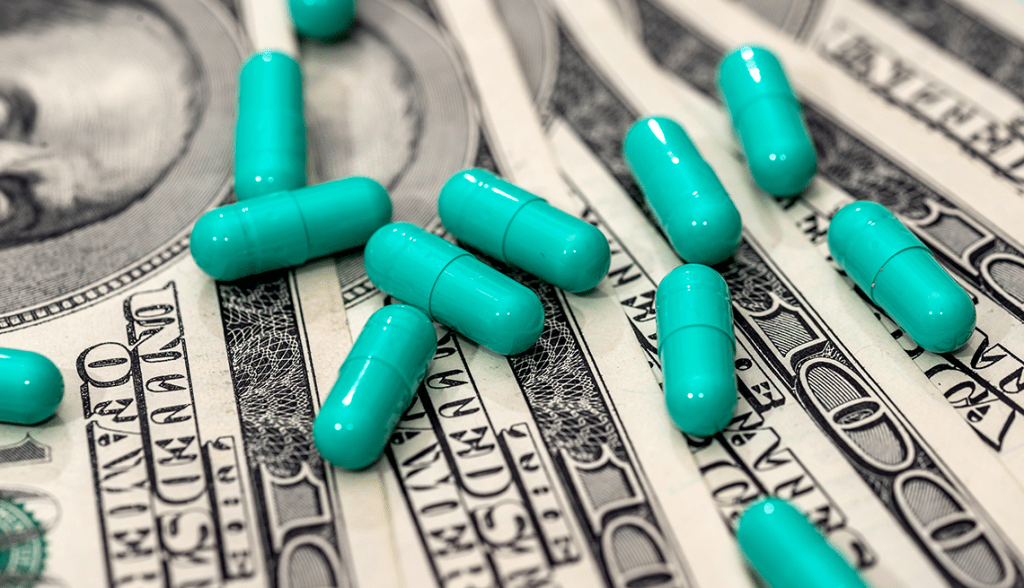
The recent announcement about Medicare’s plan to reduce the prices of 10 highly expensive prescription drugs has brought new hope for millions of older adults in the United States. These changes, projected to take effect in 2026, mark a significant step forward in the Biden administration’s efforts to control prescription drug costs, which have long been a financial burden for many Medicare enrollees. However, the journey to achieving these savings is still fraught with uncertainty.
Key Points on Medicare’s Price Reductions
In a bid to lower out-of-pocket costs for Medicare Part D enrollees, the administration has negotiated price cuts ranging from 38% to 79% for key drugs used by millions of older adults. These medications include Eliquis, a blood thinner priced at $521 for a 30-day supply, Enbrel, an arthritis treatment costing over $7,000 monthly, and NovoLog, a popular diabetes drug.
Although these negotiations promise to deliver billions of dollars in savings both to individuals and the Medicare program, beneficiaries may not see the benefits until 2026, when the new pricing takes effect. The complex process involves recalculating what patients, Medicare, and private insurers pay under the program, meaning it will take time for these changes to be fully implemented.
How Much Will Seniors Save?
For Medicare beneficiaries, the level of savings will vary significantly. Those enrolled in plans that require coinsurance—a percentage of the total drug cost—are expected to benefit the most from these reduced prices. On the other hand, enrollees with fixed copayments may see less of an impact. Experts estimate that the newly negotiated prices could result in a 22% reduction in net spending, saving older adults an estimated $1.5 billion annually.
However, most Medicare enrollees will likely see minimal savings if they are not taking one of the 10 targeted drugs. Even so, these price cuts could eventually lead to lower premiums across the board, bringing broad financial relief.
Looking Ahead: What’s Next for Medicare and Drug Pricing?
Beyond the initial 10 drugs, the Medicare negotiation program will expand each year. By 2027, 15 additional drugs will be included in the price reduction initiative, with more added in subsequent years. The Biden administration is set to announce the next set of drugs for negotiation by February 2025.
One critical component of the upcoming changes is the introduction of a $2,000 annual cap on out-of-pocket prescription drug costs for all Medicare Part D enrollees, beginning in 2025. This cap aims to protect seniors from exorbitant expenses if they require high-cost medications.
Legal and Political Challenges: Will These Changes Last?
Despite these promising developments, the future of Medicare’s negotiation program remains uncertain. The pharmaceutical industry has launched multiple lawsuits aiming to block the initiative, with some cases already dismissed in court. However, more legal challenges are expected, and the final outcome may rest with the U.S. Supreme Court.
Another potential threat comes from political changes. Should former President Donald Trump return to office, there is concern that his administration might dismantle the program. Project 2025, a set of conservative policies intended to reshape the government, includes proposals to repeal the Medicare negotiation provisions.
Conclusion: A Future in Limbo
While the Medicare drug price negotiations could bring much-needed financial relief to older adults, the program’s future is still unclear. Whether due to legal battles or political shifts, the fate of affordable prescription drugs for millions of Americans remains uncertain. As we wait for these changes to roll out, both enrollees and industry stakeholders must prepare for the potential twists and turns ahead.
This information was obtained from NBC News. For more details, visit the original source here.
 HELP Hire
Leave a comment