
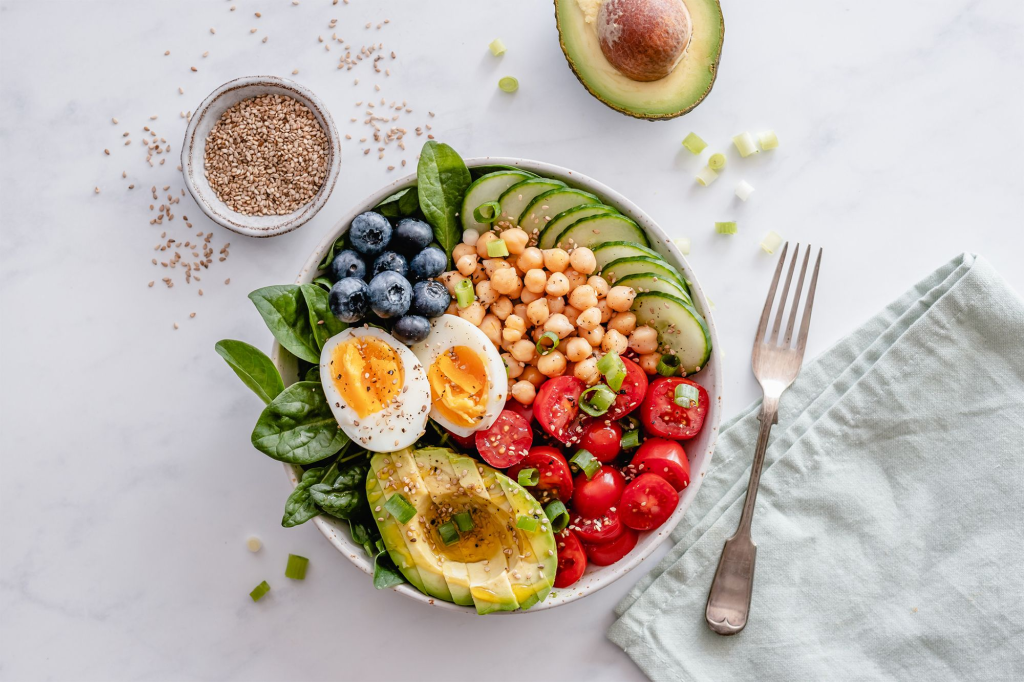
Adopting a balanced, nutritious diet is one of the most effective ways to promote long-term health and well-being. These tips provide simple, practical advice for building healthy habits. By making small changes in your daily routine, you can significantly improve your eating habits and overall lifestyle. Here’s a closer look at 10 key recommendations for a healthier diet:
1. Include Foods from All Groups and Stay Active
Ensuring your diet is balanced means including a variety of foods from all food groups each day. Aim to consume vegetables, fruits, grains, proteins, and dairy in appropriate amounts. Along with a well-rounded diet, incorporate at least 30 minutes of physical activity daily. Exercise can range from a brisk walk to more intense workouts depending on your fitness level, but regular movement is key to maintaining a healthy body.
2. Stay Hydrated: Drink 8 Glasses of Water a Day
Water is fundamental to maintaining health, aiding in digestion, regulating body temperature, and supporting various bodily functions. Make sure to drink at least eight glasses of safe, clean water throughout the day to stay properly hydrated. Water is the best choice for hydration compared to sugary drinks or sodas, which should be consumed sparingly.
3. Prioritize Fruits and Vegetables
Aim to consume at least five servings of fruits and vegetables daily, with a focus on variety in types and colors. This ensures you’re getting a wide range of vitamins, minerals, and antioxidants essential for good health. Whether you prefer them raw, cooked, or in smoothies, incorporating fruits and vegetables into each meal will provide numerous health benefits and help reduce the risk of chronic diseases.
4. Reduce Salt and Sodium Intake
Too much salt in your diet can lead to health issues such as high blood pressure, increasing your risk of heart disease and stroke. To reduce salt intake, limit the use of added salt in your cooking, avoid processed foods high in sodium, and check nutrition labels when shopping. Opt for herbs and spices to flavor food instead of reaching for the salt shaker.
5. Limit Sugary and Fatty Foods
Beverages and foods high in sugar, unhealthy fats, and salt should be limited in your diet. Excess consumption of these can contribute to weight gain and increase the risk of conditions like obesity, diabetes, and heart disease. Swap sugary drinks with water or unsweetened beverages, and replace fried foods with baked or grilled alternatives.
6. Incorporate Dairy Products Daily
Dairy products such as milk, yogurt, and cheese provide important nutrients like calcium, which supports bone health. Aim to consume dairy products daily, choosing low-fat or fat-free options where possible. These options provide the same nutrients with fewer calories and less saturated fat.
7. Choose Lean Proteins and Include Fish
When consuming meats, it’s important to choose lean options and remove any visible fat before cooking. Increasing your intake of fish is highly recommended, as fish is a good source of omega-3 fatty acids, which support heart health. Additionally, incorporating eggs and plant-based proteins, such as legumes, can help create a more balanced diet.
8. Opt for Whole Grains and Vegetables like Potatoes and Sweet Potatoes
Complex carbohydrates, such as whole grains, potatoes, sweet potatoes, and legumes, are an excellent source of energy and fiber. Fiber promotes digestive health and helps to keep you feeling fuller longer. Try replacing refined grains with whole grain options such as brown rice, quinoa, or whole wheat pasta.
9. Use Healthy Fats Sparingly
Healthy fats are essential to a well-balanced diet but should be consumed in moderation. Olive oil, nuts, seeds, and avocados are great sources of unsaturated fats, which can benefit heart health. When cooking or preparing meals, use olive oil as a healthier alternative to butter or margarine, and include small amounts of nuts or seeds for added nutrition.
10. Consume Alcohol Responsibly, or Not at All
Alcohol consumption should be done responsibly, and certain groups, such as children, adolescents, and pregnant women, should avoid it altogether. If you do choose to consume alcohol, do so in moderation, as excessive drinking can have serious health risks, including liver disease and cancer. Additionally, never consume alcohol before driving or operating machinery.
By integrating these simple dietary habits into your daily life, you can work towards improved health, better energy levels, and an overall sense of well-being. Making gradual changes and being mindful of what you eat will ultimately lead to lasting positive outcomes for your health. Remember, always consult a healthcare professional before making significant dietary changes, especially if you have any pre-existing health conditions.
 HELP Hire
Leave a comment